A beard keeps a calendar whether you consult it or not. Fresh from a trim it is architecture: lines, bulk in the right places, a shape that flatters the face. Then growth, which runs about half an inch a month, starts editing. The neckline blurs in week two. The sides gain width in week three. By week five the beard is a suggestion of the one you left the shop with in Indian Trail. Cadence is how you stay ahead of that editing.
This maintenance calendar breaks the cycle into its actual phases, season by season and week by week, so you can plan trims the way you plan oil changes: by what the thing in front of you needs, at the interval it needs it.
The weekly rhythm inside one cycle
| When | What is happening | Your job | Barber's job |
|---|---|---|---|
| Days 1 to 3 | Lines are exact, bulk is balanced | Wash gently, comb into shape, touch nothing | None, enjoy it |
| Week 1 | Strays appear above the cheek line | Remove obvious strays only, moisturize the skin | None yet |
| Week 2 | Neckline has grown below its line | Re-shave below the established neckline, tidy the lip line | Optional line-up if an event falls here |
| Week 3 | Sides gain bulk, outline widens | Flyaway snips only; resist re-shaping the bulk yourself | Book the trim for this week or next |
| Week 4 | Shape has softened throughout | Maintain edges, keep the skin comfortable | Full trim: rebuild bulk, lines, and balance |
| Weeks 5 and beyond | Beard reads as grown out rather than shaped | Edges only, lowering expectations | A longer corrective trim |
Short beards and stubble live on a compressed version of this calendar, with the professional trim landing around week two or three because each millimeter of growth is a large fraction of the whole. Long beards stretch it; the bulk changes more slowly, and a five-week cycle with disciplined home edging is realistic. The pattern underneath both is identical. Home care defends the lines. The barber rebuilds the shape.
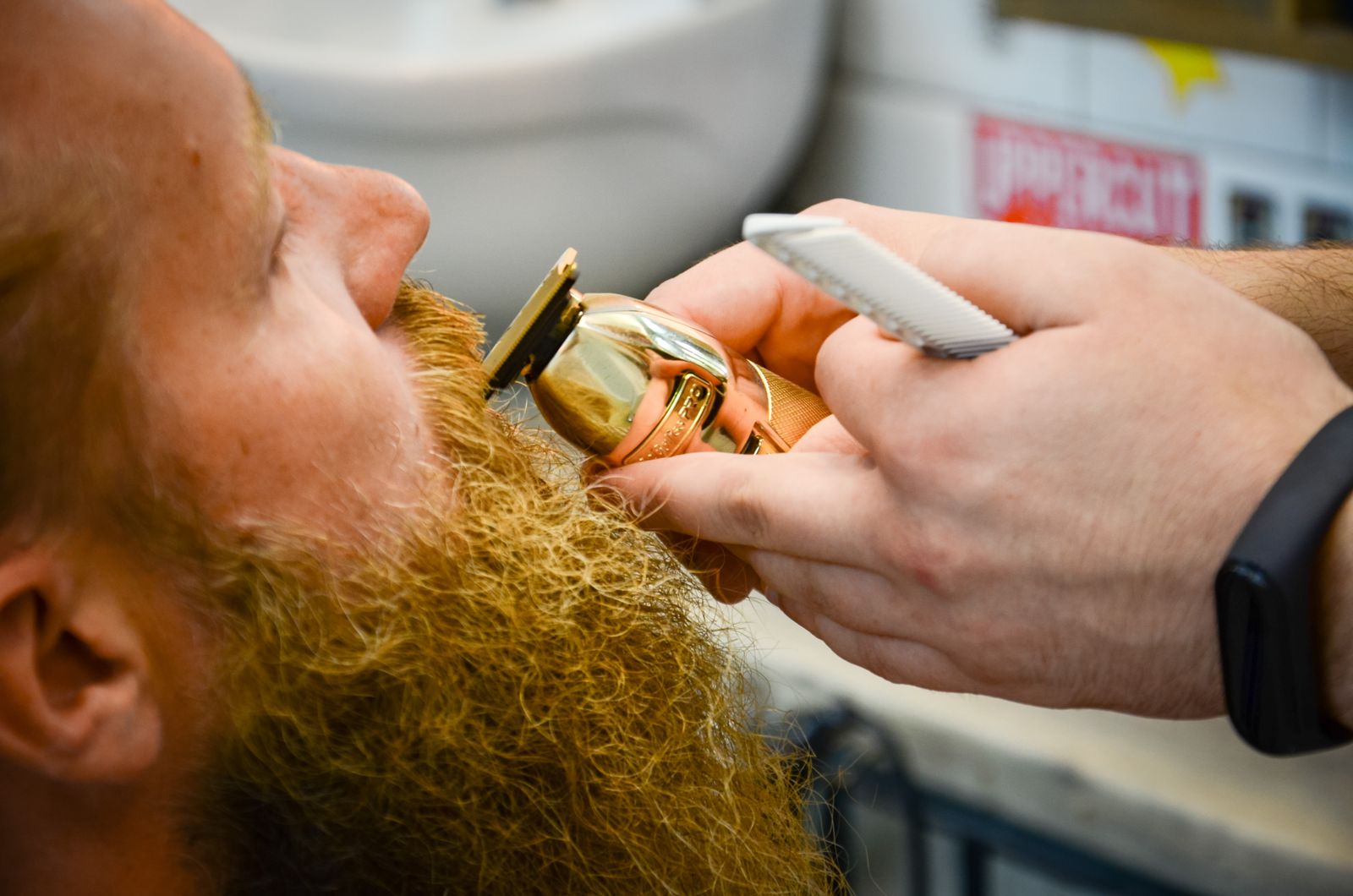
The year, season by season
Summer in the Piedmont is the hard season for beards. Heat and humidity make a full beard warmer, sweat collects under it, and the skin below can get itchy and flaky if washing lapses. Many men trim a step shorter for June through August, a perfectly sound seasonal decision rather than a failure of commitment. Wash a little more often, rinse after heavy sweating, and keep the skin under the beard moisturized, because summer itch convinces more men to shave than any other cause.
Fall is growing season by local consensus. A beard started or lengthened in September has months of cool weather to establish itself, and the awkward early weeks pass under less sweat and scrutiny. Winter suits a full beard as it is, with one caution: indoor heat and cold air dry the hair and skin both, so conditioning matters more, and the scratchy-beard complaints from family at holiday gatherings usually trace to dry, untrimmed ends rather than the beard itself. A trim before the late-November and December photo season is the appointment to book early. Spring is audit time. Decide whether the beard is staying, changing shape, or going, and let a barber execute any of the three cleanly rather than improvising in the bathroom in March.
The two lines that run the whole calendar
Everything above defends two features. The neckline sits roughly two fingers above the Adam's apple, curving toward the ears; set too high it shrinks the beard into a strap, set too low it reads as neglect. The cheek line runs as high and natural as your growth allows, cleaned of strays above it but never chased downward, since every lowered session makes the beard permanently thinner.
Both lines share one rule: they are re-established, never relocated, at home. Relocating lines is how a beard quietly changes species over six months of good intentions. If you believe a line is in the wrong place, that is a conversation for the chair at Scottie Cuts, where the barber can see your whole face, not a decision for a Tuesday night with a razor and a steamy mirror.
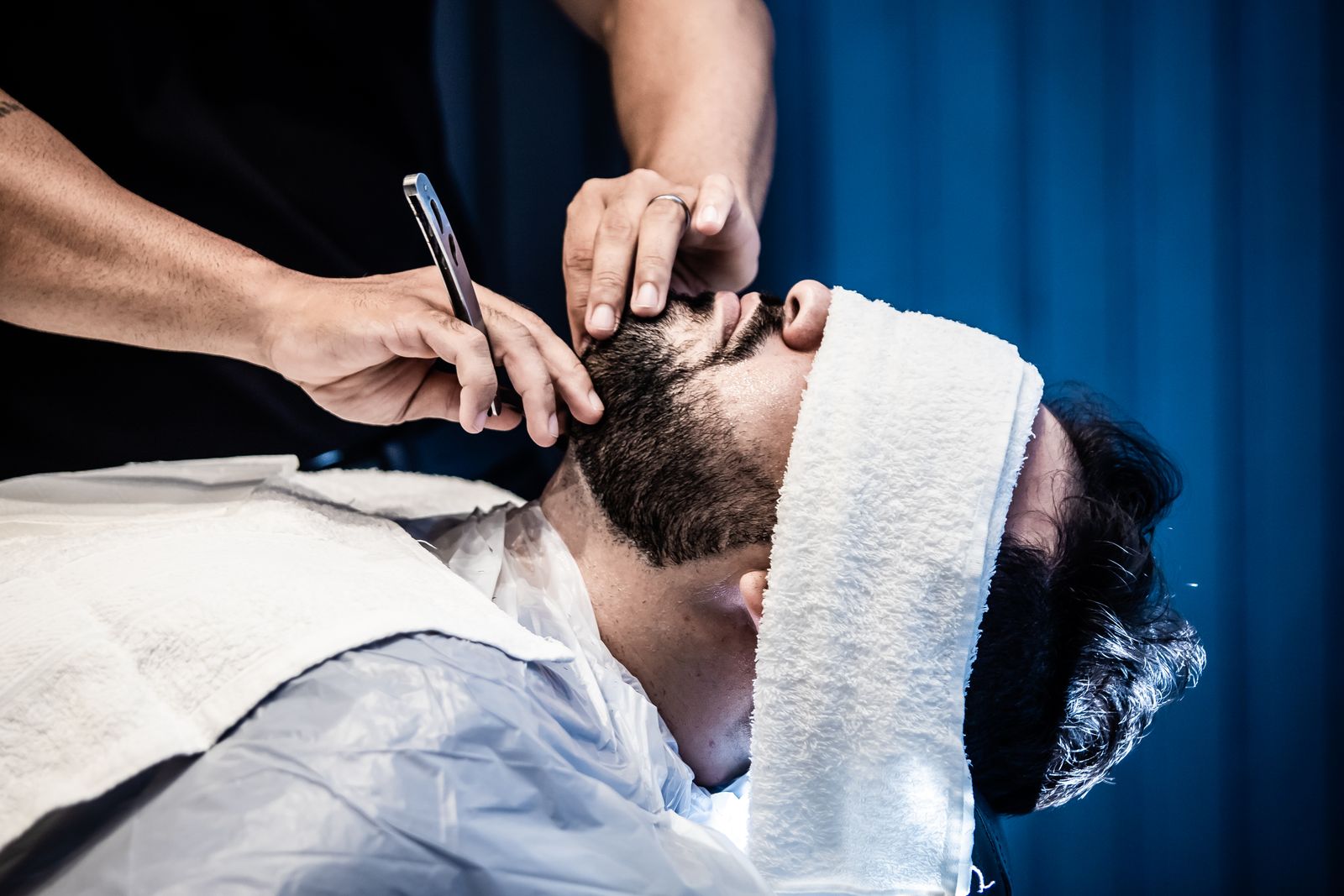
When the calendar breaks, and how to recover
Travel, illness, a newborn, a brutal month at work: cycles slip. A beard that has gone eight weeks is not a crisis, it is a longer appointment. Do not attempt to restore it at home in one determined session the night before it matters. Wash it, comb it, trim the worst flyaways and the lip line, and book the corrective trim. Barbers rebuild grown-out beards constantly; what slows them down is repairing a home rescue that removed the wrong bulk. Patience, in beard terms, is measured in single weeks, which is the cheapest currency in all of grooming.
Common questions
How often should a shaped beard be professionally trimmed?
About every three to four weeks for a medium beard, every two to three for short and stubble styles, and up to five for longer beards with careful home edging between visits.
What should I actually do at home between trims?
Defend the lines only: re-shave below the neckline, clear strays above the cheek line, snip flyaways, keep the lip line clear, and moisturize the skin underneath.
Is it worth growing a beard through a North Carolina summer?
It is manageable if you wash it regularly, rinse after heavy sweating, and keep the skin underneath moisturized. Many men trim a step shorter for summer and grow back in the fall.
Photos in this guide are representative stock images.
← All guides from Scottie Cuts← Back to Scottie Cuts