Barber shops run on words that sound precise and are not. Fade and taper sit at the top of that list, wrapped in confident claims that circulate from chair to chair and group chat to group chat. Some of those claims are true. Some are flatly false. Some depend entirely on the head in question. Sorting them matters, because in Indian Trail, as anywhere, a man who believes the myths walks in asking for the wrong cut with complete confidence.
Here are the claims a barber hears most, sorted honestly. The underlying definitions are simple: a fade blends a large area of the sides down very short, often to skin. A taper shortens only the edges, around the ears, sideburns, and neckline, leaving the sides with real length.
The claims, sorted
| Claim | Verdict | The truth |
|---|---|---|
| A taper is just a low fade | False | A low fade still blends much of the side down very short. A taper touches only the edges and keeps length on the sides. |
| Fades suit everyone | It depends | Fades flatter many heads, but scars, bumps, and strong ridges all show at skin length. A taper hides them under length. |
| Tapers are old-fashioned | False | The taper is the finish on the classic cuts that cycle back every decade. It reads as neat, not dated. |
| A fade makes thin hair look fuller | Mostly true | Short sides restore proportion so the top looks fuller by contrast. It does nothing for the top itself, and texture up there matters too. |
| You cannot switch between them | False, with a catch | Taper to fade is one appointment. Fade to taper needs weeks of growing the sides back, so the order matters. |
| A taper needs no maintenance | False | Tapers degrade more slowly than fades, holding shape four to six weeks, but the edges fuzz and the outline still needs regular cutting. |
| Skin fades are the only real fades | False | A fade is defined by the blend, not by reaching skin. Guard fades that stop at a No. 1 are fades, and they grow out more gracefully. |
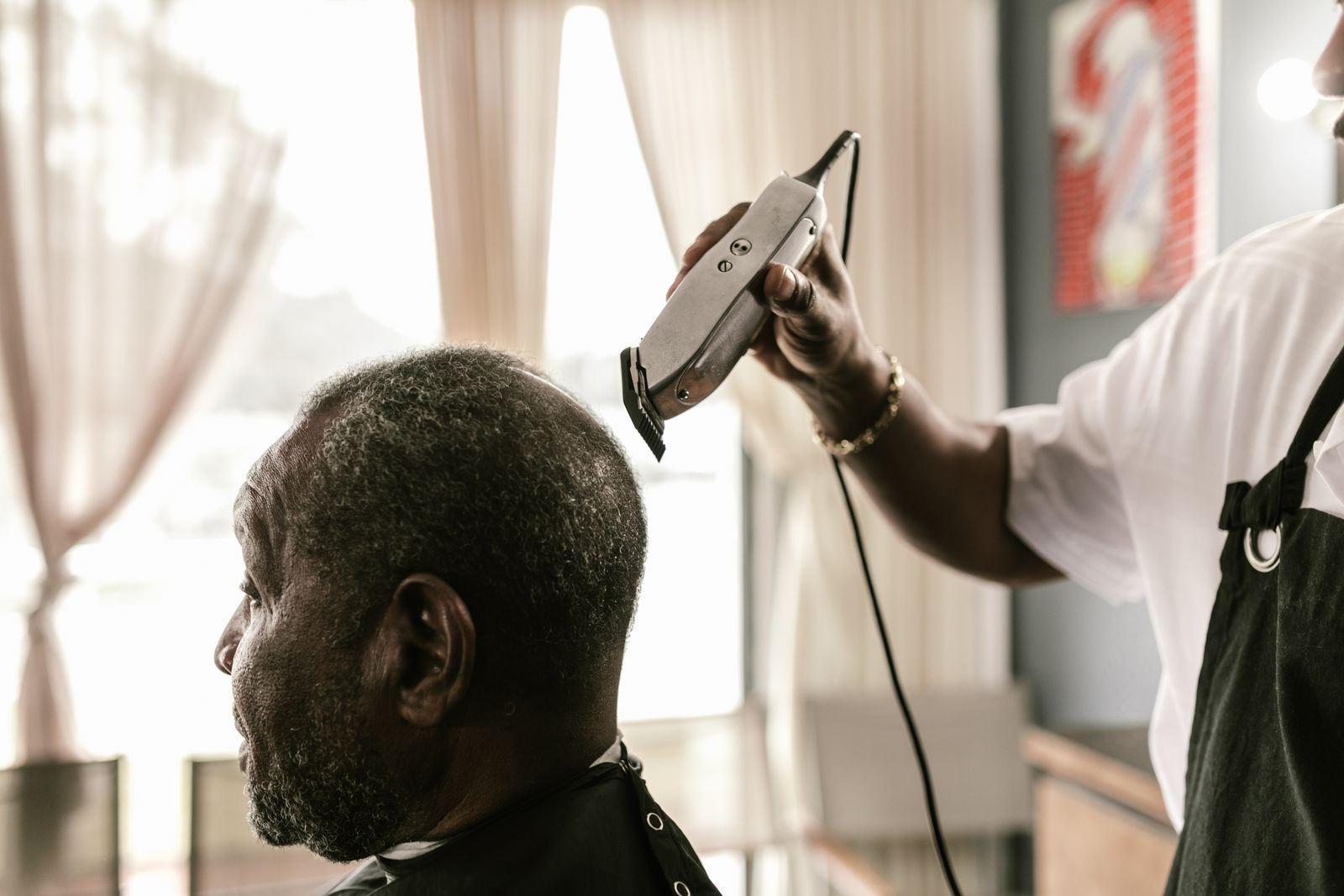
Myth: the barber knows what you mean automatically
This one causes more wrong cuts than any technical claim. Fade covers a family of results from a subtle low blend to a high skin fade that starts near the part line. Two barbers, given the single word fade, may produce cuts an inch apart in where the blend begins. The correction is cheap: add height, shortest length, and top length. A mid fade, skin at the bottom, scissors on top. For a taper: classic sides, tapered at the ears and neck only, nothing to skin. Those sentences take five seconds and remove nearly all the ambiguity that the one-word request carries.
Photos help, with the same caveat. A photo shows a result on someone else's head, hair, and growth pattern. Use it to show the direction you mean, then let the barber translate. A barber at Scottie Cuts who explains how the photo's fade would sit on your head is giving you the consultation you actually came for.
Fact: the grow-out is part of the cut you chose
Men compare fades and tapers by the mirror on day one, when both look excellent. The honest comparison happens at week three. The fade's skin zone will be stubble, its blend softened, its prime behind it. The taper will look like a slightly softer version of itself, still recognizably the same cut. Neither is a flaw; they are different contracts. A fade promises maximum sharpness for a short window and asks for a visit about every two weeks. A taper promises good, not spectacular, for a month and more. Choosing between them without discussing the grow-out is buying a car by its paint alone.
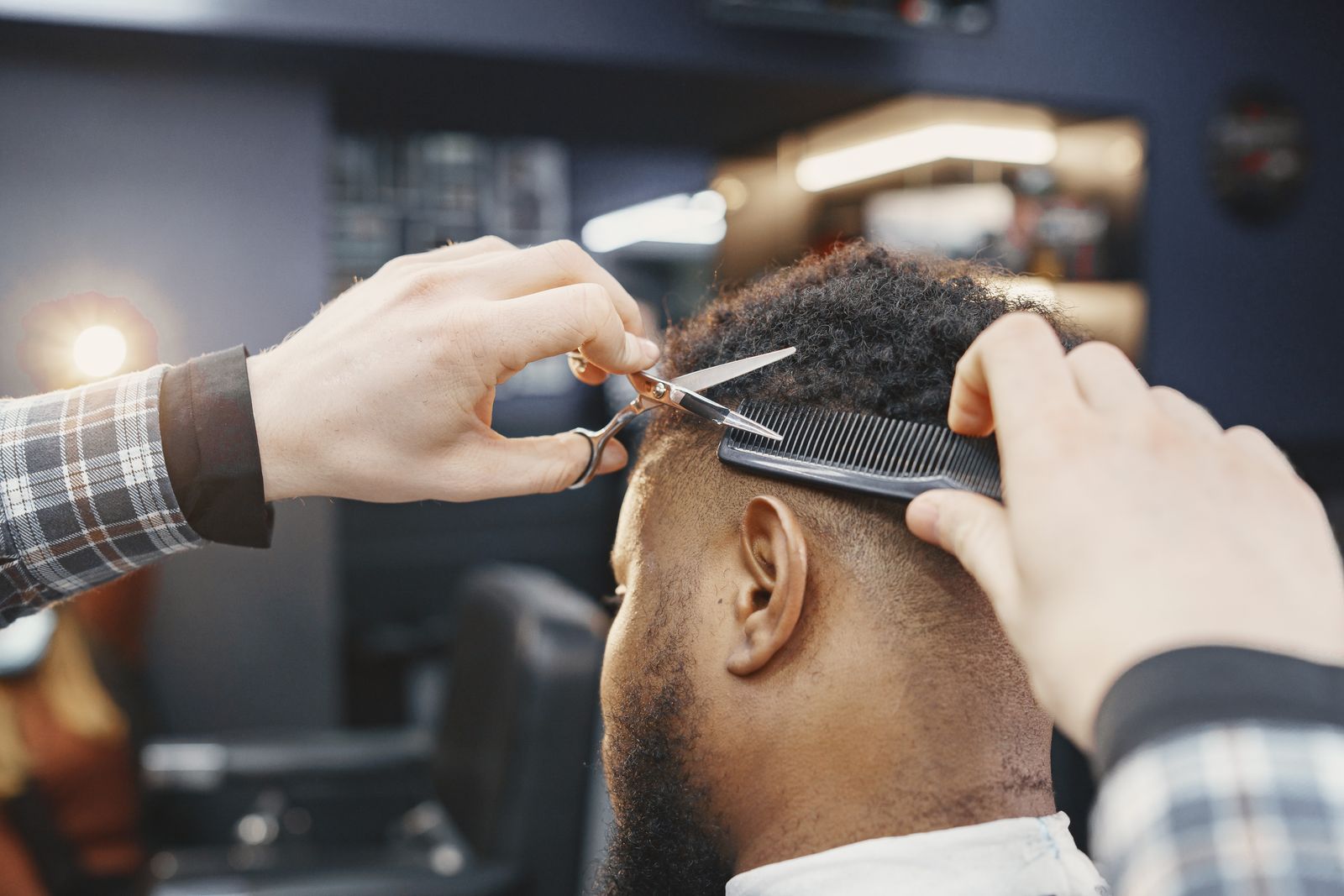
It depends: which one suits you
The genuine variables are head shape, hair texture, work, and calendar. Strong ridges or bumps argue for keeping some length, which favors a taper or a low guard fade. Very thick, fast-growing sides argue for a fade's control. A conservative workplace favors a taper or low fade, not because fades are unprofessional, but because a skin fade in week three looks outgrown in any office. A man who enjoys the shop and comes fortnightly gets full value from a fade. A man who comes monthly is paying fade prices for a cut that spends half its life as something else. Answer those honestly and the choice makes itself.
Common questions
What is the simplest way to ask for each one?
For a fade, name the height, the shortest length, and the top: a low fade to a No. 1, scissors on top. For a taper, say classic sides, tapered only at the ears and neck, nothing taken to skin.
Which grows out better if I can only come monthly?
The taper, clearly. It holds a recognizable shape for four to six weeks, while a fade, especially to skin, looks grown out well before a monthly visit comes around.
Can a fade be combined with a taper?
In practice the terms describe different zones and finishes, and barbers blend ideas all the time, such as a faded neckline on a classic cut. Describe the result you want and let the barber name the route.
Photos in this guide are representative stock images.
← All guides from Scottie Cuts← Back to Scottie Cuts