The way a haircut fails is rarely sudden. It degrades in stages, and learning to read those stages tells you more about your timing than any fixed schedule. A man in Indian Trail who says his cuts only last two weeks and a man who swears his last six are often wearing similar hair. They are just noticing different symptoms, or tolerating different amounts of the same one.
This is the troubleshooting version of the timing question: start with what you see in the mirror, trace it to its likely cause, and decide whether the fix is a barber visit, a mid-cycle clean-up, or a different style whose rhythm suits your life better.
Symptom: the sides look bulky while the top still looks fine
This is the most common complaint and the most misdiagnosed. The sides of most cuts are shorter than the top, so they reach the awkward, puffy stage sooner. Hair above the ears starts to wing out, the silhouette widens, and the whole cut reads as outgrown even though the top could go another fortnight. The cause is proportion, not total length.
The short-term fix is a clean-up or a sides-only tidy if your shop offers it. The long-term fix is choosing styles whose sides hold their shape longer, such as a softer taper, or accepting a rhythm set by your sides rather than your top. Cutting the top more often to match will not solve a sides problem and only spends money shortening the part that was fine.
Symptom: the fade blurs within ten days
A fade is a gradient, and gradients are perishable. The shortest hair grows in as stubble, the steps in the blend each shift by the same growth, and a smooth slope becomes a visible band. If yours blurs unusually fast, likely causes are fast personal growth, high contrast between hair and skin, or a fade taken to skin, which has the least tolerance of any version.
Work through the fixes in order.
- Confirm the real timeline. Photograph the fresh cut and then yourself on days five, ten, and fourteen. Memory exaggerates in both directions; the photos show when the blend actually turns.
- Try a mid-cycle clean-up. Sharpening the edges at the halfway point will not rebuild the blend, but it often restores enough neatness to carry the second week honestly.
- Ask for a guard fade instead of skin. Starting the shortest zone at a No. 0 or No. 1 rather than bare skin doubles the time before regrowth becomes obvious, with most of the same look.
- Shorten the cycle deliberately. If you love the skin version, the honest interval is about two weeks. Booking it in advance turns a recurring disappointment into a routine.
- Or change the style to match your life. A taper or classic cut that peaks for four weeks beats a fade that peaks for ten days if your calendar only allows monthly visits.
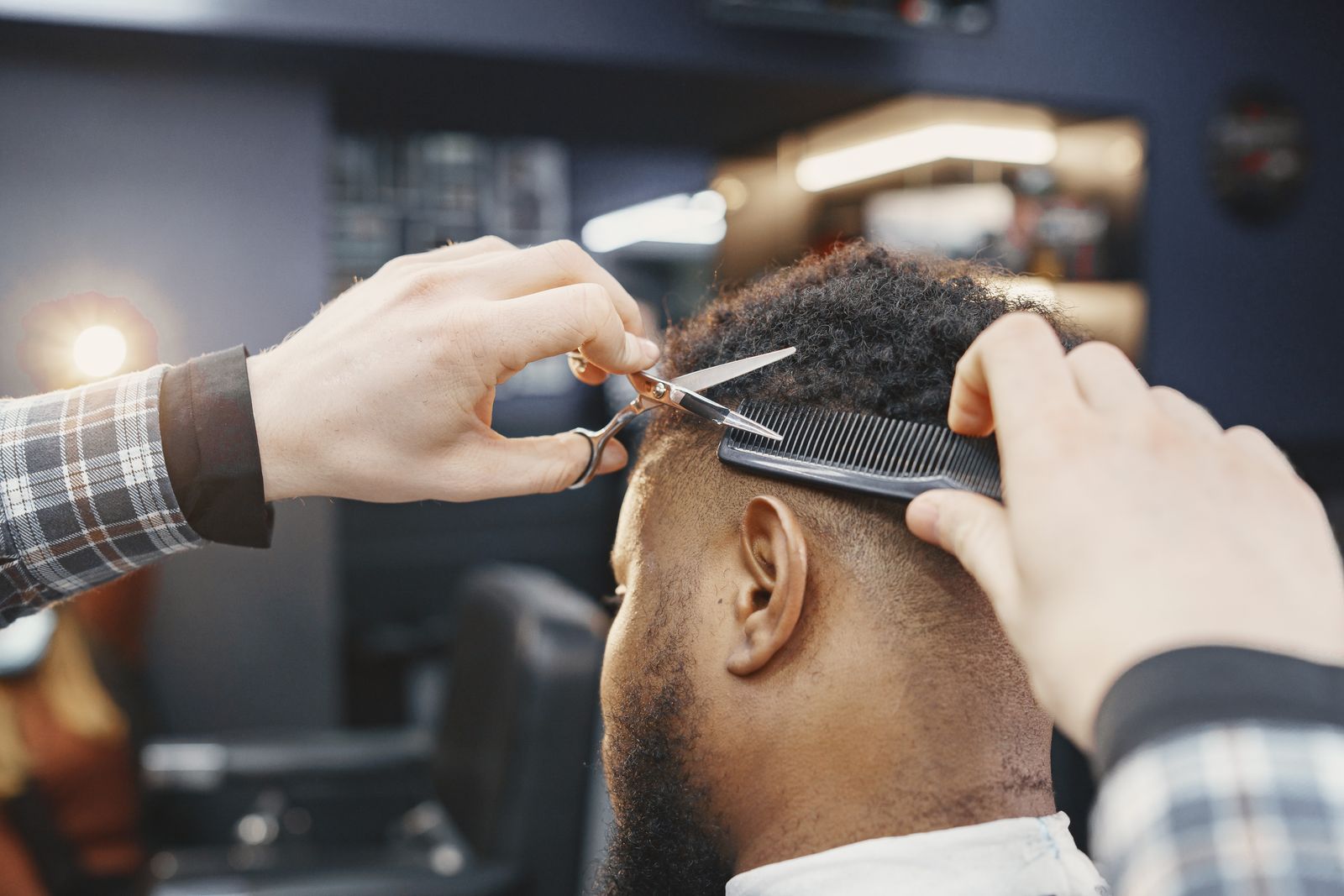
Symptom: the top will not lie or part where it did
Length changes behavior. As the top grows, its weight distribution shifts, cowlicks gain leverage, and a part that sat obediently at three inches wanders at four. Men often respond with more product and more force, when the real cause is simply that the cut's architecture has expired. If styling time has crept from two minutes to ten, and the result still lets go by lunch in Carolina humidity, the haircut is done. That is your signal, whatever the calendar says.
The exception is a deliberate grow-out. If you are growing the top on purpose, tell your barber at Scottie Cuts so the sides and edges get maintained while the top is left alone. A grow-out with a plan looks intentional. A grow-out by neglect looks like a missed appointment, and the difference is almost entirely in the sides and outline.
Symptom: it looks great for a month, then falls apart in a week
Classic scissor cuts degrade gracefully and then suddenly. They absorb growth until the weight over the ears and collar reaches a tipping point, and then the shape collapses across a few days. Men with these cuts often conclude the interval is five weeks because week five is when they noticed. The cut had been declining since week three; week five is just when it crossed their personal threshold. Booking at four to five weeks, before the collapse, keeps a scissor cut in its long, good plateau permanently.
Setting your own interval
Run the experiment once. Note the date of a fresh cut, then note the first day the mirror bothers you, and the day it genuinely looks outgrown. Your interval lives between those two dates. Fades will give you numbers around two to three weeks, classic cuts four to six, longer styles six to eight. After two cycles you will know your own figures within days, and you can book standing appointments at your rhythm instead of reacting to the collapse each time.
Common questions
Why does my haircut look outgrown after two weeks when others last a month?
Usually the style, not the hair. Skin fades and tight clipper cuts show growth within days, while classic scissor cuts absorb a month of growth. Growth rate and hair-to-skin contrast play a part too.
Is a clean-up between cuts worth it?
For many men, yes. It restores the outline and around the ears, which is what reads as outgrown first, and it can comfortably stretch the main interval by a week or more.
Should I get the same interval year-round?
Not necessarily. Many men shorten the cycle in summer, when styles are shorter and humidity exposes growth, and stretch it in winter when hats and longer cuts forgive an extra week.
Photos in this guide are representative stock images.
← All guides from Scottie Cuts← Back to Scottie Cuts