A skin fade is the highest-maintenance common haircut in the shop, and it is not close. The same quality that makes it look sharp on day one, bare skin blended up into length with no visible line, is what betrays it first. Skin does not stay bare. Within days the lowest zone is stubble, within two weeks the gradient has softened, and the cut that turned heads in Indian Trail is quietly becoming an ordinary short haircut with ambitious memories.
None of that argues against getting one. It argues for maintaining it on its own terms. This guide compares what grows back and when, what you can do between visits, and the point where only a barber can restore what you are looking at in the mirror.
What grows back first, and why it matters
The fade does not grow out evenly, because it was never one length. The skin zone goes first: hair there was cut to nothing, so any growth at all changes it from smooth to sandpaper to visible stubble within the first week. The blend zone goes second, as the graduated lengths each grow half an inch a month and the smooth slope develops steps. The top goes last and most gracefully, since longer hair hides growth the longest.
Contrast speeds everything up. Dark hair on pale skin advertises growth the day it happens. Hair and skin of similar tone buy a man several extra days of grace. Fast growth shortens the window further. Two men can get the same fade on the same Saturday at Scottie Cuts and legitimately need different return dates.
| Maintenance option | What it restores | How often | Limit |
|---|---|---|---|
| Full skin fade, redone | Everything: skin zone, blend, and top | Every 2 weeks for a sharp look | The only option that truly resets the fade |
| Line-up or clean-up between fades | Hairline, edges around ears and neck | Midway, around week 1 to 2 | Sharpens the outline but the blend keeps softening |
| Home clipper pass at a known guard | Some length control on top or upper sides | As needed, cautiously | High risk of cutting into the blend and ruining the gradient |
| Letting it grow into a taper cut | A softer style the fade becomes naturally | One decision, then every 4 to 6 weeks | You no longer have a skin fade, by choice |
| Stretching to 4 weeks untouched | Nothing | Once, regretfully | The last week and a half reads as grown out, not faded |
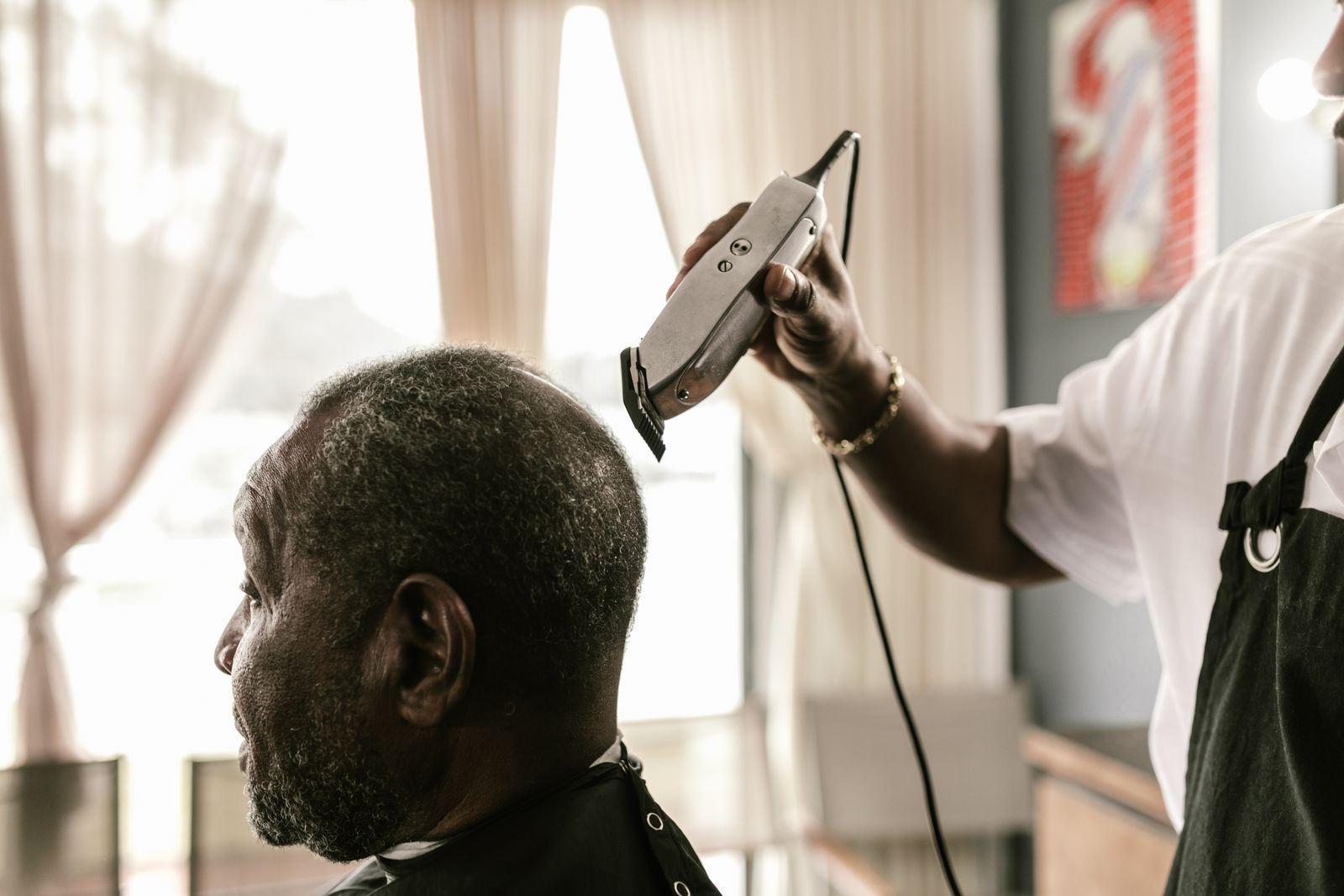
The honest schedule
For a fade that always looks fresh, plan on a chair every two weeks. That is the answer nobody wants and every barber gives, because it is the arithmetic of half an inch a month meeting a cut that starts at zero. Every three weeks is a reasonable compromise many men choose: sharp for two weeks, acceptable for one. Four weeks is not maintenance, it is a grow-out with a fresh fade at the end of it, and if that rhythm suits your budget of time, a taper or clipper fade that starts at a guard rather than skin will look better across the whole cycle.
Booking ahead is the difference between a schedule and a hope. Put the next appointment in the calendar while the current fade is still new, and pick the interval you can actually keep through work, kids, and travel. A two-week rhythm kept beats a ten-day intention abandoned by the second month.
What you can safely do at home
Keep the territory small. Tidying stray hairs at the neckline with care, washing regularly, and leaving everything else alone preserves the fade best. Skin that has been cut to the surface benefits from the same gentle treatment as a shaved face: keep it clean, moisturize lightly, and expect the first days of regrowth to itch a little as stubble pushes through. Exfoliating gently can ease that itch.
The home move to avoid is the well-meant clipper rescue. Running your own clippers up the sides to freshen them almost always cuts a hard line into the blend at whatever height your hand reached, and a blend that took twenty minutes to build takes a full professional re-cut to rebuild. If the fade has gone past saving, wear it as a short cut for the remaining days. It looks better than a gradient with a shelf in it.
Talking to your barber about maintenance
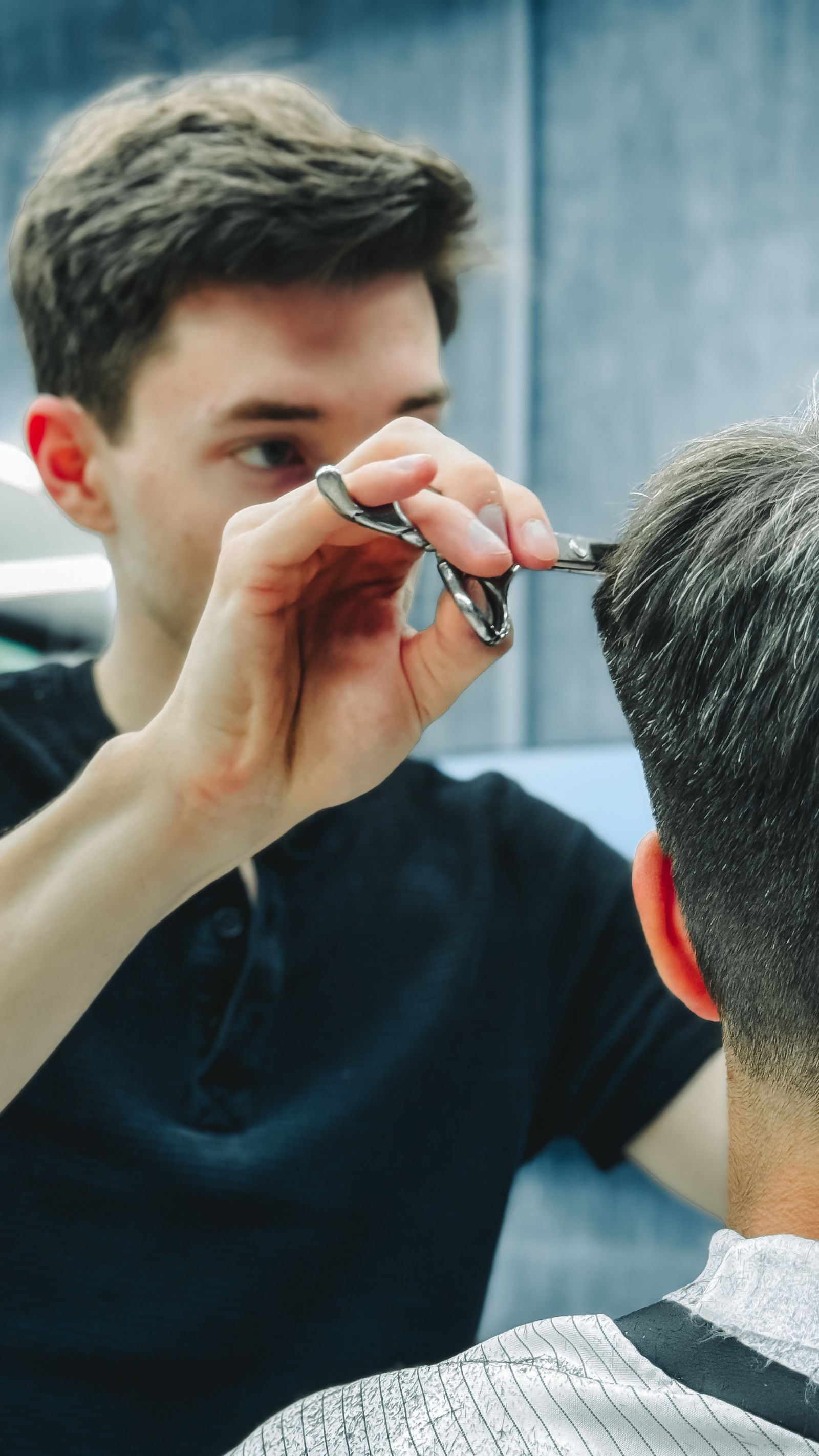
Say your real interval out loud. A barber who knows you come every three weeks can adjust the fade, starting the blend in a way that grows out more forgivingly, rather than building the tightest possible version that collapses by week two. That trade, a slightly less extreme fade in exchange for a better week three, is one most regulars gladly make once it is offered in plain terms. It just has to be offered, and that starts with you admitting the calendar you actually live by.
Common questions
How long does a skin fade really look good?
About ten days to two weeks at its best, depending on growth speed and the contrast between your hair and skin. After that the skin zone is stubble and the blend begins to soften visibly.
Can a clean-up make my fade last longer?
It sharpens the hairline and edges, which helps the overall impression, but it cannot restore the skin zone or the blend. Use it as a mid-cycle refresh, not a substitute for the full cut.
Why does my fade grow out faster than my friend's?
Usually contrast and growth rate. Dark hair against pale skin shows regrowth immediately, while hair close to skin tone hides days of growth. Individual growth speed varies too.
Photos in this guide are representative stock images.
← All guides from Scottie Cuts← Back to Scottie Cuts